


.png)
Dark Side of Influencer Marketing: Fake Followers & Engagement Pods
As influencer marketing grows, so does its dark side. Discover how fake followers and engagement pods are eroding trust—and how to spot them before they cost you.
The Dark Side of Influencer Marketing: Spotting Fake Followers and Engagement Pods
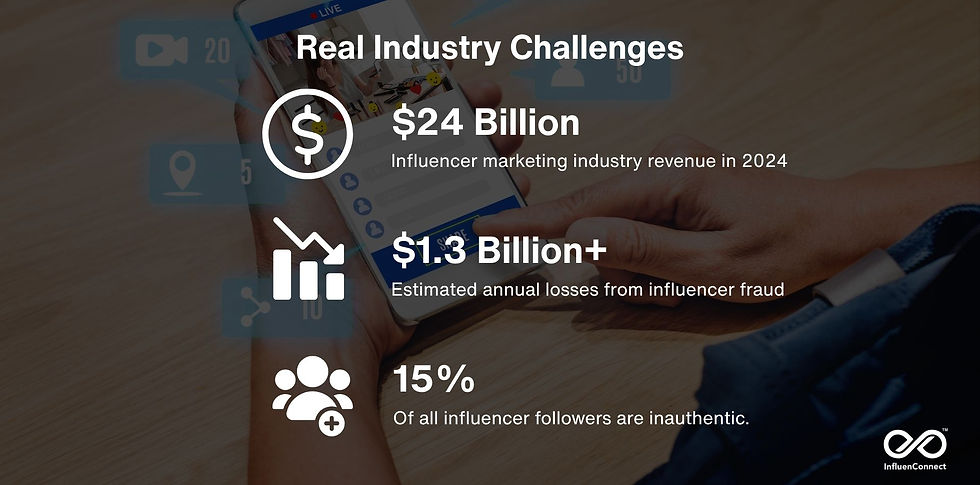
Influencer marketing has become a $24 billion industry as of 2024 (Statista, 2025), with brands allocating more of their marketing budgets to creator-led campaigns. But as the industry grows, so too does its dark underbelly, fraudulent tactics that undermine credibility, inflate metrics, and waste brand budgets.
Two of the most pressing threats to the integrity of influencer marketing are fake followers and engagement pods. These deceptive tactics can lead to misleading campaign results, damage brand reputations, and erode consumer trust.

This blog dives deep into the darker side of influencer marketing, offering practical and research-backed insights on how to spot influencer fraud before it impacts your campaigns.
What Are Fake Followers and Engagement Pods, and Why Do They Matter?
In the race for influence, numbers often steal the spotlight. But not all numbers are created equal.
What Are Fake Followers?
Fake followers are bot-generated or inactive accounts designed to artificially boost an influencer’s follower count. These followers don’t engage, don’t buy, and don’t represent real people.
Why influencers buy fake followers:
To appear more credible or influential
To meet brand requirements for minimum follower counts
To manipulate the algorithm in their favour
Stats: Nearly 15% of all influencer followers are inauthentic.
What Are Engagement Pods?
Engagement pods are secret or semi-private groups where influencers agree to like, comment, and share each other's content to game engagement metrics.
Unlike fake followers, engagement pods involve real users, making them harder to detect.
Telltale signs of engagement pods:
Repetitive, generic comments across multiple posts
Sudden spikes in likes or comments, often within minutes
Consistent engagement from the same group of profiles
This tactic creates a misleading sense of community or popularity, and brands foot the bill.
Why Fake Followers and Pods Are Costing Brands More Than They Realise
While these tactics may help influencers grow faster, they come at a high cost to brands investing in performance-driven marketing.
Let’s break it down.
Inflated ROI That Doesn’t Translate to Results
Influencer campaigns are often measured by reach, engagement, and conversions. But when a significant chunk of engagement is fabricated, the results are skewed.
A study found that brands lose up to $1.3 billion annually due to influencer fraud.
That means real marketing budgets are being wasted on fake audiences.
Damage to Brand Trust and Credibility
Consumers are becoming increasingly savvy. When they detect inauthentic engagement or realise their favourite influencer isn’t as genuine as portrayed, it reflects poorly on associated brands.
In regions like Europe and APAC, regulatory bodies are cracking down on influencer transparency, making fraudulent behaviour even riskier.
Misalignment Between Audience and Brand Objectives
Fake followers and engagement pods don’t just hurt metrics—they skew audience data. Brands might assume they’re reaching a Gen Z skincare-loving demographic when in reality, they're reaching bots or unrelated profiles.
This creates:
Poor campaign targeting
Mismatched messaging
Fewer conversions
How to Spot Fake Followers and Engagement Pods Before It’s Too Late
The good news? You can protect your brand with smart detection strategies and credible tools.
Analyse Follower Quality Over Quantity
Don’t rely on follower counts alone. Instead, focus on follower quality:
Check follower profiles—are they active? Do they post? Have bios?
Look for suspicious username patterns like random strings or no profile photo
Note sudden, unexplained follower spikes
Tool tip: To simplify this process, tools like InfluenConnect help brands break down influencer performance with greater clarity, analysing channel growth trends, real-time engagement, and audiences across multiple platforms. This ensures you're investing in creators who bring authentic value, not inflated metrics.
Evaluate Engagement Authenticity
A healthy engagement rate isn’t just about high numbers—it’s about genuine interaction that reflects real audience interest.
Signs of suspicious engagement:
Generic comments like “Great post!” or “Love this!”
Repetitive phrases from the same users
Inconsistent likes/comments compared to previous posts
📌 Watch out for: Consistently high engagement rates on low-effort content—it’s often a red flag.
Monitor Posting and Engagement Patterns
Real users post inconsistently and vary their interactions. Bots and pod members often:
Engage at specific times (e.g. within 10 minutes of posting)
Comment on every post, regardless of relevance
Have engagement that doesn’t match content quality or type
Check Audience Location and Demographics
If an influencer claims to be a UK-based creator targeting British millennials, but their top audience is in Brazil or India, something’s off.
Use tools to verify:
Location match with brand targets
Age/gender alignment
Language preferences
Ask Influencers for Data Transparency
Don’t be afraid to request:
Screenshots of Instagram Insights
Audience demographic reports
Previous campaign performance metrics
Authentic influencers are typically transparent and willing to share this data—it's a sign of professionalism and accountability. On the other hand, influencers relying on fake followers or engagement pods may deflect or delay these requests.
Transparency is more than just a verification step; it’s a key driver of consumer trust, especially in emerging and competitive markets.
Twitch provides a textbook example of a platform taking action against fake engagement. In 2024, Twitch banned over 7.5 million bot accounts used to inflate view counts and fake popularity during streams.
Why does this matter for brands?
Because even livestreaming platforms are facing these challenges. And if Twitch’s crackdown tells us anything, it’s that platforms are finally waking up to the economic damage caused by fraudulent metrics.
5-Step Checklist to Detect Influencer Fraud
Final Word: Don't Let the Numbers Fool You

Influencer marketing still holds immense potential when done right. But success starts with transparency, trust, and verification.
Fake followers and engagement pods are becoming harder to detect, but with the right tools and a data-first mindset, brands can protect themselves from wasted spend and damaged reputations.
The era of vanity metrics is fading. It’s time to demand real influence—not inflated numbers.
And if you're looking to explore authentic partnerships with influencers who deliver real impact, not just inflated stats, read our recent blog: Beginner's Guide to Build Authentic Influencer Partnerships for Brands
Ready to Take the Next Step?
At InfluenConnect™, we are paving the way for the next generation of influencers by breaking down language barriers, making it easier for you to collaborate globally. InfluenConnect™ focuses on diversity, global reach, data-driven insights, and sustainability. Contact us today to explore how we can help you expand your global presence!


Comments